
The University of Natal played an important role in the development of higher education in South Africa. Although it later became part of the University of KwaZulu-Natal, its academic tradition continues to influence thousands of students and graduates. Today, many employers and educators still recognize the University of Natal name because of its long history and strong reputation.
Moreover, the university earned respect through quality teaching, practical learning, and valuable research. As a result, its legacy remains relevant for graduates, researchers, and education enthusiasts around the world.Istituto Marangoni Diploma Secure Online Support for Work Needs.
A Rich History of University of Natal
The University of Natal opened its doors in the early twentieth century and gradually became one of South Africa’s leading universities. Over the years, it expanded its campuses, welcomed students from different backgrounds, and built a reputation for academic excellence.
In addition, the university encouraged innovation and independent thinking. These values helped shape generations of professionals who later contributed to business, healthcare, education, and public service. Therefore, the University of Natal remains an important part of South African educational history.
Popular Academic Programs and Faculties
One reason many students admired the University of Natal was its wide range of academic programs. The institution offered courses that combined theory with practical experience, making graduates well prepared for future careers.
Some of its well-known areas of study included:
Health Sciences and Medicine
Medical and healthcare programs attracted talented students from across the country. Practical training and experienced faculty helped learners develop professional skills.
Business and Economics
Business courses focused on management, finance, economics, and entrepreneurship. Furthermore, students gained valuable analytical and leadership abilities.
Engineering and Science
Engineering and science departments promoted research and innovation. Consequently, graduates entered industries with strong technical knowledge and practical experience.
Research Excellence and Student Development
Research remained one of the defining strengths of the University of Natal. Faculty members worked on projects that addressed local and global challenges. Meanwhile, students benefited from modern laboratories, academic guidance, and collaborative learning opportunities.
Beyond the classroom, students joined clubs, sports, and community programs. These activities helped them build confidence, teamwork, and communication skills. As a result, graduates developed both academic knowledge and personal growth.
Why the University of Natal Legacy Still Matters
Although the University of Natal later became part of the University of KwaZulu-Natal, its academic legacy continues today. Many alumni proudly reference their education because employers recognize the institution’s historical reputation.
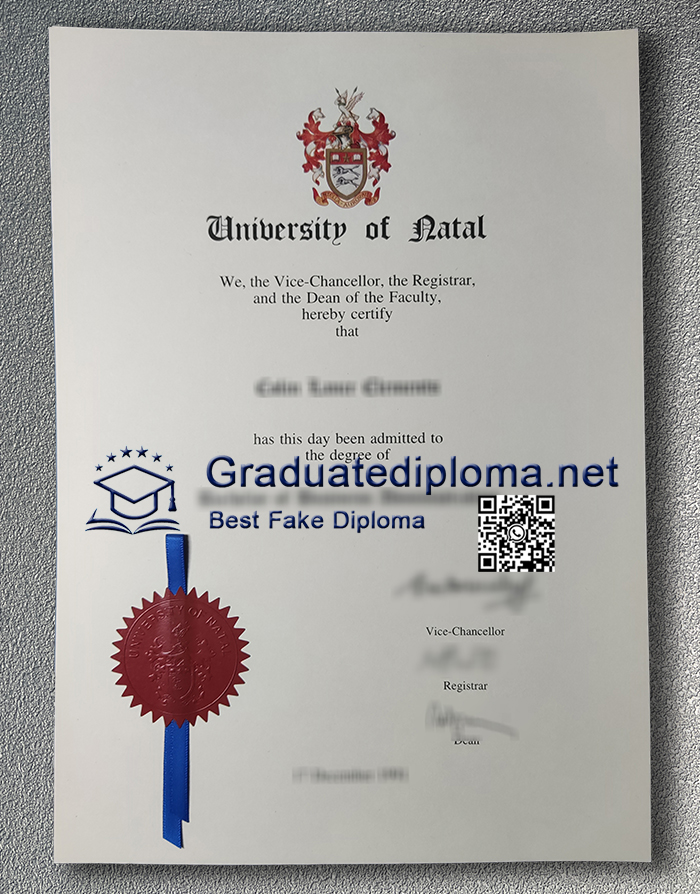
Furthermore, university records, graduation documents, and academic achievements remain meaningful milestones for graduates. For this reason, preserving educational memories and personal academic records continues to be important for many former students.
Whether you are researching South African universities, exploring academic history, or learning about respected institutions, the University of Natal remains a notable example of educational excellence and lasting influence.
Conclusion
The University of Natal built a lasting reputation through quality education, respected academic programs, and meaningful research. Its influence continues through its graduates and its contribution to higher education in South Africa. Above all, the university’s commitment to learning, innovation, and student success remains an important part of its enduring legacy.